- More Than Teeth
- Posts
- Simple Airway Protocols Every Dental Team Should Know
Simple Airway Protocols Every Dental Team Should Know
Where Dentistry Meets Whole-Body Health Michael Bennett, DDS, PhD & Cathy Bennett, MS, NBCHWC
This is More Than Teeth. The newsletter that helps dental sleep professionals get 1% better every week.
Good morning.
If a patient can’t breathe through their nose, dentistry becomes harder for them and for your team.
Gag reflexes escalate. Anxiety rises. Ultrasonic spray feels intolerable. A 90-minute appointment stretches to three hours, the schedule collapses, and everyone leaves frustrated.
This week’s More Than Teeth focuses on simple, evidence-informed nasal and oral hygiene protocols that dramatically improve patient comfort, clinical efficiency, and airway health—often within minutes.
These insights come from a clinical conversation with Julie Seager, RDH, a practicing hygienist with over 30 years of chairside experience and Education Manager at Xlear.
This isn’t theory. These are protocols that work the same day.
In Today’s Edition
This issue delivers practical, copy-paste-ready strategies to help your team:
Get congested patients through hygiene and restorative appointments
Reduce gag reflex, anxiety, and chair intolerance
Support nasal breathing as a foundation of airway health
Implement xylitol protocols for caries risk, periodontal support, dry mouth, and halitosis
Protect dental teams from chronic aerosol exposure
Listen to the MTT podcast with Julie Seager, RDH
⏱️ 5-minute read
Clinical Corner
Protocols That Improve Airway, Comfort, and Office Flow
1. The 3-Minute Nasal Breathing Protocol (A Game Changer)
When to use
Nasal congestion
Hyperactive gag reflex
Anxiety or claustrophobia
Difficulty tolerating supine position, radiographs, or ultrasonic spray
What to do
2 sprays per nostril
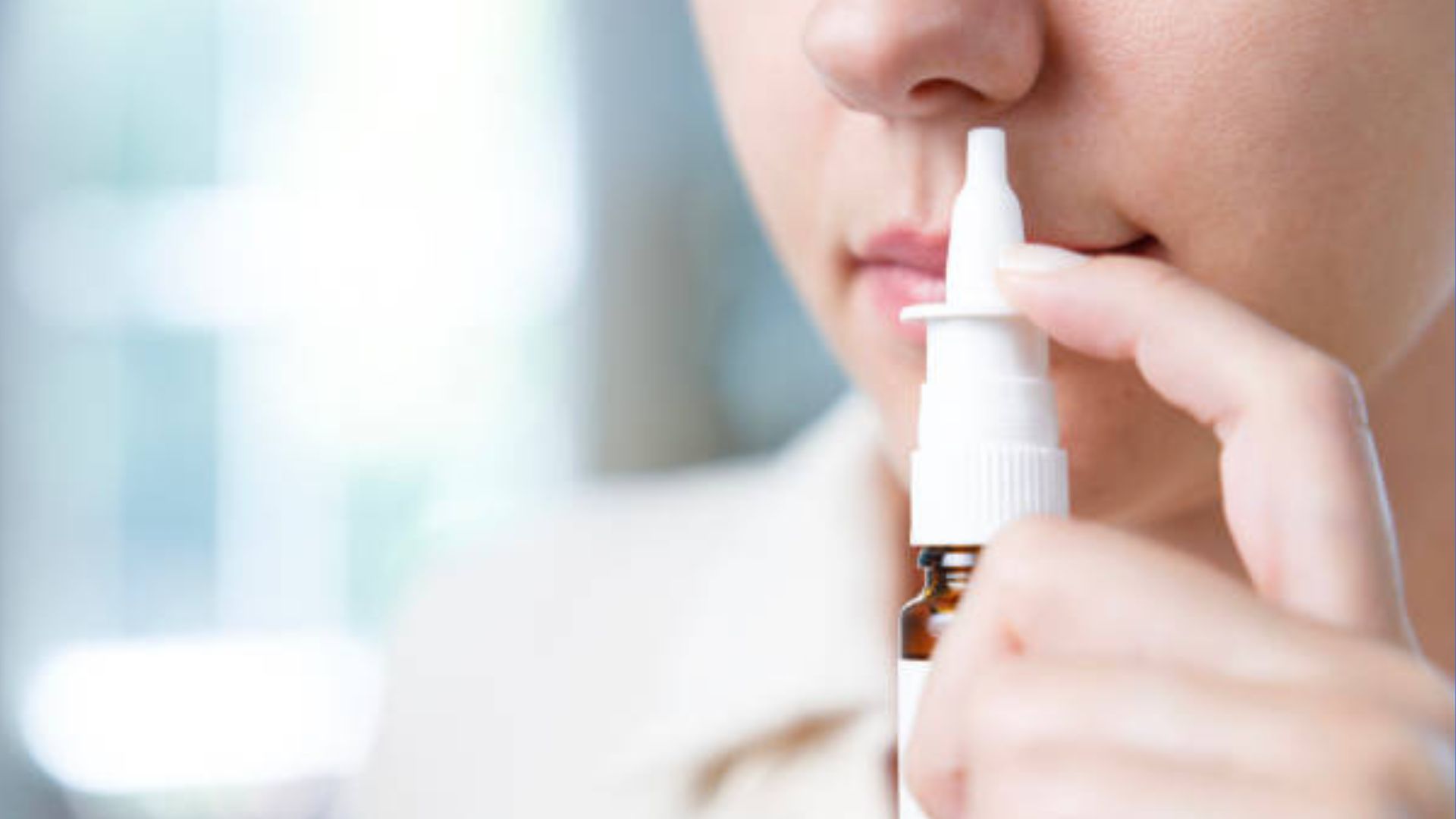
Head slightly down. We like this nasal demonstration of an effective way to use a spray bottle.
Aim the nozzle up and back toward the lower turbinate
Wait 3 minutes before reclining
Why it works
Studies show approximately 20% increased nasal airflow within 3 minutes
Xylitol acts as:
A mucolytic, thinning of the airway surface fluid
An anti-inflammatory, reducing cytokine-driven congestion
An anti-adhesive, preventing pathogen attachment to the nasal mucosa
Opening the nasal airway signals safety to the brainstem, reducing the gag reflex and sympathetic “fight-or-flight” activation.
📌 Hygienists can initiate this protocol independently—no diagnosis required.
Hygiene Protocol Card (Team Training Ready)
Use when patients struggle with breathing, gag reflex, or anxiety
STEP 1: Open the Nose
• 2 sprays per nostril
• Head down, aim up, and back
• Wait 3 minutes
STEP 2: Proceed With Treatment
• Remind patient to breathe through the nose
• Expect improved tolerance and shorter appointments
STEP 3: Support Oral Balance
• Morning & night: brush + xylitol toothpaste
• After meals/snacks: xylitol gum or mints (2–3 minutes contact)
STEP 4: Post-SRP / Perio Support
• Alcohol-free xylitol rinse
• Twice daily
BONUS: Team Protection
• Nasal spray before and after aerosol exposure
2. Protecting the Dental Team (Often Overlooked)
Dental professionals—especially hygienists—experience prolonged exposure to aerosolized pathogens.
A simple nasal hygiene routine before and after aerosol-generating procedures reduces pathogen load at the point of entry and supports nasal immune defense.
Upper respiratory infections remain a leading cause of missed workdays in dentistry.
3. Caries Risk, Biofilm, and Microbiome Balance
Xylitol does not sterilize the mouth—it modulates it.
What the evidence shows
70–90% reduction in caries incidence with proper xylitol exposure
Reduces replication of acid-producing bacteria
Rapid pH neutralization after meals and snacks
Key principle:
Frequency throughout the day matters more than total dose.
Toothpaste alone offers a modest benefit. Repeated exposure after meals is what drives results.
4. Periodontal & Post-SRP Support
Xylitol has demonstrated reduction of Porphyromonas gingivalis and supports a healthier biofilm environment.
Alcohol-free xylitol-based rinses provide:
Gentle biofilm disruption
Tissue support after SRP
No harm to healthy flora
5. Dry Mouth & Halitosis: Think Beyond the Tongue
Yes, clean the tongue. That removes volatile sulfur compounds.
But persistent halitosis often originates beyond the oral cavity:
Tonsilloliths
Nasopharyngeal biofilm
Nasal protocols reach areas that oral rinses cannot, helping dislodge bacterial aggregates and reduce malodor at the source.
6. Children, Orthodontics & Airway Development
Same xylitol protocols apply to children (no dosage change)
Chewing xylitol gum:
Stimulates elevator muscles
Supports craniofacial development
Does not stick to brackets, bands, bridges, or implants
Avoid gum with aligners; otherwise, encourage functional chewing.
Key Takeaways 🔑
If the nose can’t breathe, dentistry can’t flow.
Nasal breathing protocols calm the nervous system and improve efficiency.
Xylitol supports airway and oral health without disrupting healthy flora.
Hygienists are ideally positioned to lead these protocols.
Small interventions can create system-wide physiologic calm.
This week isn’t about products.
It’s about restoring function—so the body can do what it was designed to do: heal through sleep and breathing. Evidence Snapshot (Selected References)
Olmos, S. R. (2014). Immediate effects of xylitol nasal spray on nasal airway patency. Journal of Dental Sleep Medicine.
Eccles, R. (2000). Mechanisms of nasal airflow and perception. Rhinology, 38(2), 57–62.
Zabner, J. et al. (2000). Xylitol increases airway surface liquid volume. American Journal of Respiratory and Critical Care Medicine, 162(5), 1528–1533.
Mäkinen, K. K. (2011). Sugar alcohols and caries prevention. Journal of Dental Research, 90(5), 595–602.
Milgrom, P. et al. (2009). Xylitol pediatric caries prevention trial. Archives of Pediatrics & Adolescent Medicine, 163(7), 601–607.
Wu, Y. F., Salamanca, E., Chen, I. W., Su, J. N., Chen, Y. C., Wang, S. Y., Sun, Y. S., Teng, N. C., & Chang, W. J. (2022). Xylitol-Containing Chewing Gum Reduces Cariogenic and Periodontopathic Bacteria in Dental Plaque-Microbiome Investigation. Frontiers in Nutrition, 9, 882636. https://doi.org/10.3389/fnut.2022.882636
Cathy’s Corner 🥗
A Functional Nutrition Perspective
When we talk about nasal breathing, calm nervous systems, and healthy oral environments, nutrition quietly plays a supporting role, often behind the scenes.
From a traditional nutrition standpoint, hydration, mineral balance, and anti-inflammatory nourishment are foundational for healthy mucosal tissues throughout the body, including the nose, mouth, and airway.

Three Nutrition Principles That Support Breathing & Oral Health
1. Hydration Is More Than Water
Dry mouth and thick nasal secretions are often signs of inadequate hydration and low electrolytes. Traditional diets emphasized mineral-rich foods—broths, soups, lightly salted whole foods—which help tissues stay moist and resilient. Adequate hydration supports saliva production and healthy nasal mucus flow, both of which are critical for defense and comfort.
2. Inflammation Begins on the Plate
Highly processed carbohydrates and frequent sugar exposure don’t just affect teeth; they can promote systemic inflammation that shows up as nasal congestion, swollen tissues, and mouth breathing. Whole foods rich in omega-3 fats (like fish), colorful vegetables, and adequate protein help calm inflammatory responses and support tissue repair.
3. Support the Microbiome Gently
Just as we want oral products that balance rather than sterilize the mouth, nutrition works best when it supports beneficial microbes. Fermented foods (like yogurt, kefir, sauerkraut) and fiber-rich vegetables help maintain microbial harmony that influences immunity far beyond the gut—including the oral and nasal passages.
A Simple Takeaway for Patients
Encourage patients to think of breathing and oral comfort as whole-body processes. What they eat and drink throughout the day influences saliva, nasal airflow, inflammation, and even sleep quality.
Small, consistent habits—hydration, balanced meals, and reduced grazing on processed foods—can quietly reinforce the same healing pathways your clinical protocols activate in the chair.
Sometimes the most powerful support for airway health doesn’t come from doing more, but from nourishing the body to do what it was designed to do.
— Cathy Bennett, MS, NBCHWC
Functional Nutrition & Health Coaching
Something Sweet
🍭Stuff so sweet you might get a cavity…
CE Opportunities / Events
Event | Dates | Location | Link | Discount Code |
|---|---|---|---|---|
AADSM Mastery Program | Ongoing dates (check website) | University of Utah & Onli | Click HERE | |
North American Dental Sleep Medicine Symposium | February 20-21, 2026 | Clearwater, Florida | Click HERE | MTT200 |
Miscellaneous….
Every patient you help breathe better, sleep deeper, and feel stronger is a life changed for the better. Keep asking the deeper questions. Keep connecting the dots. You're not just treating teeth, you’re transforming health.
Thanks for being part of the movement.
Until next week,
Dr. Michael & Cathy Bennett
More Than Teeth | A Mission for Generational Health
Reply