- More Than Teeth
- Posts
- GLP-1 Medications, OSA, and Aspiration Risk
GLP-1 Medications, OSA, and Aspiration Risk
Where Dentistry Meets Whole-Body Health Michael Bennett, DDS, PhD & Cathy Bennett, MS, NBCHWC
This is More Than Teeth. The new sletter that helps dental sleep professionals get 1% better every week.

Good morning.
A surprising number of your dental patients are now on medications like Ozempic, Wegovy, Rybelsus, Mounjaro, or Zepbound.
And while most clinicians focus on weight loss and glucose control… there’s a high-stakes airway issue hiding in plain sight:
These medications slow gastric emptying and increase reflux, which may increase the risk of aspiration in patients with OSA, nasal congestion, and sleep-disordered breathing.
Meaning: a patient’s “new medication” may be quietly increasing:
Nocturnal reflux
Gasping / airway instability
Micro-aspiration
Airway inflammation (cough / asthma-like symptoms)
And potentially sedation-related aspiration risk around induction and emergence
This week, we connect the dots in a way your dental team can use immediately: through screening questions, scripts, and a practical protocol.
In Today’s Edition:
-The airway-and-reflux physiology behind GLP-1 meds
-Why OSA + nasal obstruction may increase aspiration risk
-Dental implications: erosion, xerostomia, caries, candidiasis, airway instability
-Sedation checklist update (for anesthesiologist-run cases)
-Monday Morning Moves: implement tomorrow
(7-minute read👇)
Clinical Corner
GLP-1 Medications + OSA: A New Aspiration Risk Triangle
🔑 Key Takeaways
1) GLP-1/GIP meds commonly slow gastric emptying
This increases the chance that gastric contents remain in the stomach longer, especially overnight.
2) OSA amplifies reflux risk
OSA creates a large negative pressure during obstructive events. That mechanical “vacuum” effect increases the likelihood of reflux during sleep.
3) Nasal obstruction intensifies aspiration risk
Congested noses push patients toward mouth-breathing and gasping arousals; conditions perfect for micro-aspiration.
4) Micro-aspiration is a silent driver of airway inflammation
It may show up as a chronic cough, throat clearing, hoarseness, wheezing, or poorly controlled asthma, especially in OSA patients.
Why It Matters: Dentistry Is Now an Airway Safety Checkpoint
Here’s the “real world” scenario you’re likely already seeing:
A patient with undiagnosed (or undertreated) OSA starts semaglutide or tirzepatide.
They lose weight — great.
But they also develop:
reflux/nausea
dry mouth
more mouth breathing at night
cough, hoarseness, or “asthma”
increased bruxism and arousals
They don’t connect it to the medication.
And their medical team often doesn’t connect it to airway mechanics.
But you can, because you’re already looking at:
airway
sleep symptoms
enamel
wear facets
tongue scalloping
xerostomia
nasal breathing
Dental Implications (What You’ll See Clinically)
1) Erosion Risk
Reflux/vomiting patterns → enamel loss, hypersensitivity, failed bonding margins.
Clinical move: Add “reflux risk + GLP-1” to your erosion differential.
2) Xerostomia / Caries Risk
Patients may eat less but sip more acidic drinks, snack differently, and hydrate poorly.
Dry mouth → higher risk of:
cervical caries
candidiasis
burning mouth
tissue soreness
denture irritation
3) Perio and Healing Considerations
Improved glycemic control may help reduce long-term periodontal inflammation.
But rapid weight loss, reduced protein intake, and dehydration can temporarily reduce the resilience of soft-tissue healing.
Sedation Implications (for anesthesiologist-managed cases)
Even when your anesthesiologist intubates and preserves spontaneous respiration, here’s the truth:
Intubation helps protect the airway during the procedure
It does not remove risk at:
pre-induction
emergence
post-op vomiting
or the patient’s sleep at home
High-risk sedation flags
Add these to your sedation intake:
GLP-1/GIP medication name + last dose timing
recent dose escalation (within the last 2–4 weeks)
active nausea/bloating/reflux
history of GERD
moderate/severe OSA
chronic nasal obstruction
asthma/chronic cough
Then communicate with anesthesia.
You’re not “telling anesthesia what to do.”
You’re giving them the missing clinical variable.
📊 Research SpotlightClinical Script (Chairside)
The 20-second GLP-1 + Airway Check-in
“A lot of our patients are on Ozempic or Mounjaro-type medications. They’re excellent meds, but they can slow digestion and increase reflux. Reflux plus sleep apnea can irritate the airway or even cause small aspiration episodes at night. Are you noticing any reflux, nausea, nighttime coughing, or morning hoarseness since starting the medication?”
If “yes,” → proceed to STOP-BANG or Epworth.
Add This to Your Medical History Form (Drop-in)
Are you on any GLP-1 or GIP/GLP-1 medication? (Ozempic / Wegovy / Rybelsus / Mounjaro / Zepbound)
Last dose date/time: ________
Any nausea, reflux, bloating, or vomiting? Y / N
Any new cough/wheeze/or hoarseness since starting? Y / N
Diagnosed with OSA? CPAP / oral appliance / untreated
Chronic nasal congestion? Y / N
If reflux/vomiting is present:
Do NOT brush immediately after vomiting.
Rinse with water + baking soda.
Wait 30 minutes before brushing.
Consider high-fluoride toothpaste/varnish if there is an erosion risk.
If dry mouth is present:
hydration + xylitol strategy
Rx fluoride (high caries risk)
screen for candidiasis
If airway symptoms present:
Emphasize nasal breathing optimization
Treat nasal congestion aggressively
Reinforce OSA therapy compliance
📊 Research Spotlight (Pre-reviewed learning materials) Link
1) GLP-1 medications and delayed gastric emptying/aspiration concern
Key takeaway: These medications can increase residual gastric contents, which is important in planning sedation/GA risk.
2) OSA and nocturnal reflux mechanics
Key takeaway: Negative airway pressure during obstruction increases the likelihood of reflux.
3) Micro-aspiration → airway inflammation
Key takeaway: Small, repeated aspiration events can worsen cough-like or asthma-like symptoms.
Clinical translation: GLP-1 + reflux + OSA + nasal obstruction is a stacked-risk scenario — worth screening and coordinating care around.
Monday Morning Moves ✅
Implement this tomorrow (team huddle checklist)
1) Update your medical history form with 3 GLP-1 questions (name, last dose, GI symptoms)
2) Add one chairside script to hygiene appointments (20 seconds)
3) Create a “GLP-1 Airway Risk” flag in your sedation chart
recent dose escalation
nausea/reflux
OSA severity
nasal congestion
4) Provide a standardized handoff to anesthesia:
“Patient on GLP-1 / last dose ___ / GI symptoms Y/N / recent titration Y/N / OSA status ___ / chronic nasal obstruction Y/N”
Coach Cathy’s Corner 💬
“But I’m Finally Losing Weight — Please Don’t Take This Away.”
This is not about fear.
It’s about fine-tuning the win.
We’re not telling patients to stop medications that may change their lives, but we do want them to be well-informed.
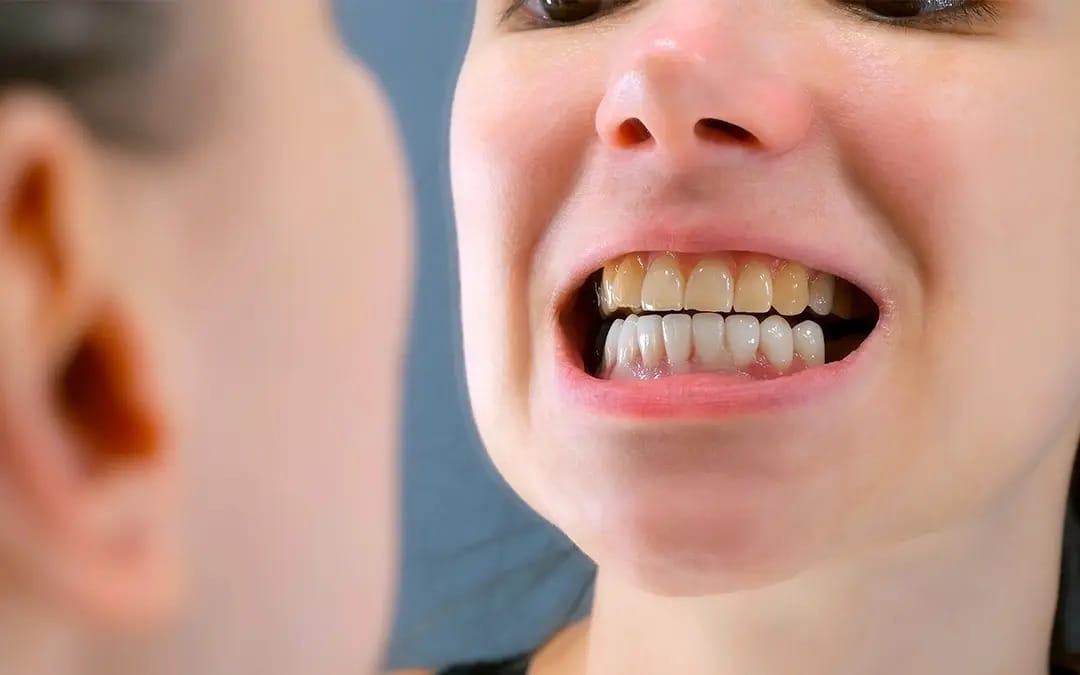
We’re teaching them to listen earlier to what their body is signaling:
Reflux is not “normal.”
Dry mouth isn’t “no big deal.”
Coughing at night isn’t “just allergies.”
Small awareness → big protection.
Coach tip for your team:
“These meds can be useful if taken with care. We just want to protect your airway and teeth while you’re on them. Let’s run a quick reflux + sleep screen so we can prevent problems early.”
Final Word
Dentistry has always been about prevention.
But now the scope is bigger:
If we identify reflux, OSA, and aspiration risk early, we’re not just protecting enamel; we're also protecting overall health.
We’re protecting lungs, airway stability, sedation safety, and long-term health.
As always, keep connecting the dots.
Until next week,
Dr. Michael & Cathy Bennett
More Than Teeth | A Mission for Generational Health
Something Sweet
🍭Stuff so sweet you might get a cavity…
CE Opportunities / Events
Event | Dates | Location | Link | Discount Code |
|---|---|---|---|---|
AADSM Mastery Program | Ongoing dates (check website) | University of Utah & Online | Click HERE | |
North American Dental Sleep Medicine Symposium | February 20-21, 2026 | Clearwater, Florida | Click HERE | MTT200 |
Reply